Mondovino Film Home

Category

Film Analysis

17 articles

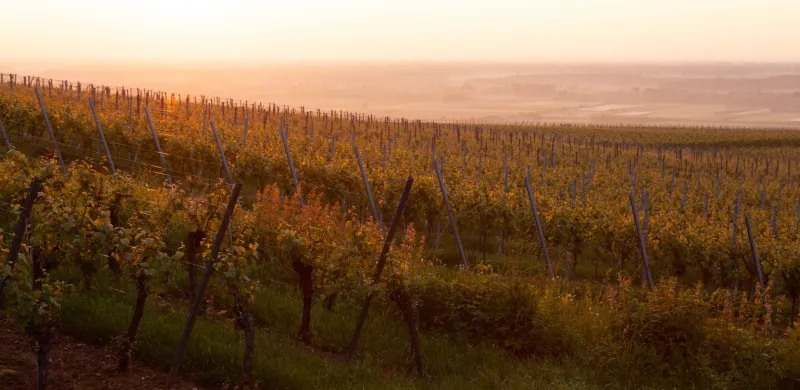
Crushed Beneath the Romance: What Wine Films Keep Getting Wrong About the Harvest

Crushed Beneath the Romance: What Wine Films Keep Getting Wrong About the Harvest

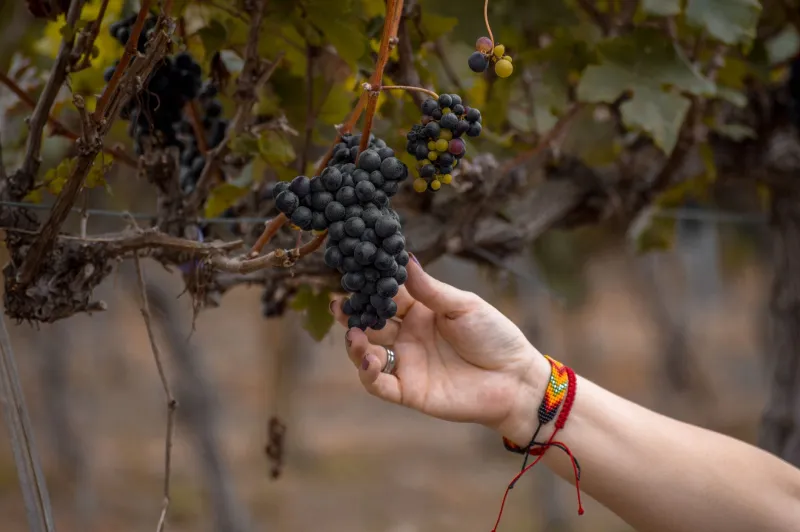
Cinema has long treated the harvest as a visual poem — golden light, stained hands, communal laughter — while quietly ignoring the debt, the rot, and the gambles that define real winemaking. A closer examination of how filmmakers consistently trade authenticity for atmosphere reveals a persistent blind spot at the heart of wine-centric storytelling.
Hearing the Harvest: How Sound Design Teaches Audiences to Taste Wine on Screen

Hearing the Harvest: How Sound Design Teaches Audiences to Taste Wine on Screen

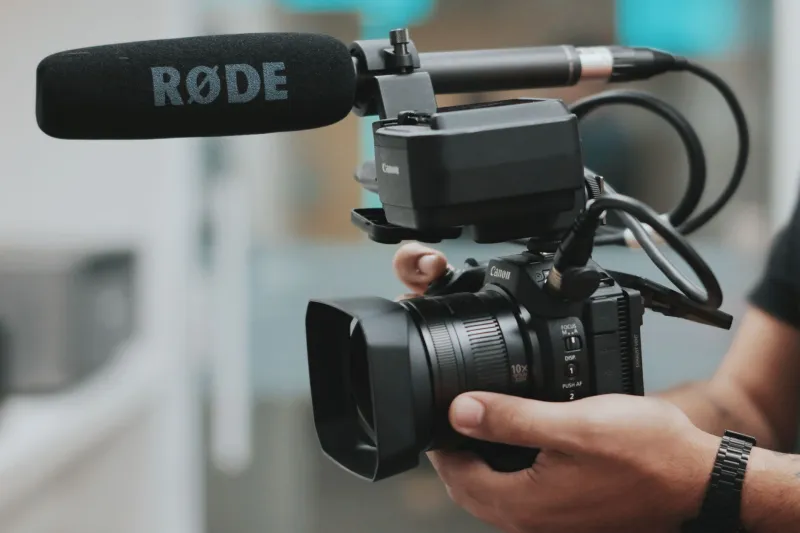
Long before a single drop of wine reaches the screen, the acoustic architecture of a wine documentary has already begun constructing a phantom palate in the viewer's mind. From the percussive crack of a cork to the low, breathing hum of a fermentation cellar, sound designers working in this genre are engaged in something far more provocative than atmospheric enhancement. They are, in the most precise sense, teaching audiences to taste with their ears.

Ghosts in the Glass: How Childhood Wine Memories Haunt a Director's Entire Career

Ghosts in the Glass: How Childhood Wine Memories Haunt a Director's Entire Career

Certain filmmakers return, again and again, to a single sensory moment — a wine poured at a family table, a cellar visited in grief, a first sip taken in secret. This exploration examines how those formative encounters with wine become the invisible architecture beneath an entire body of cinematic work, shaping emotional grammar in ways that no book or painting quite can.

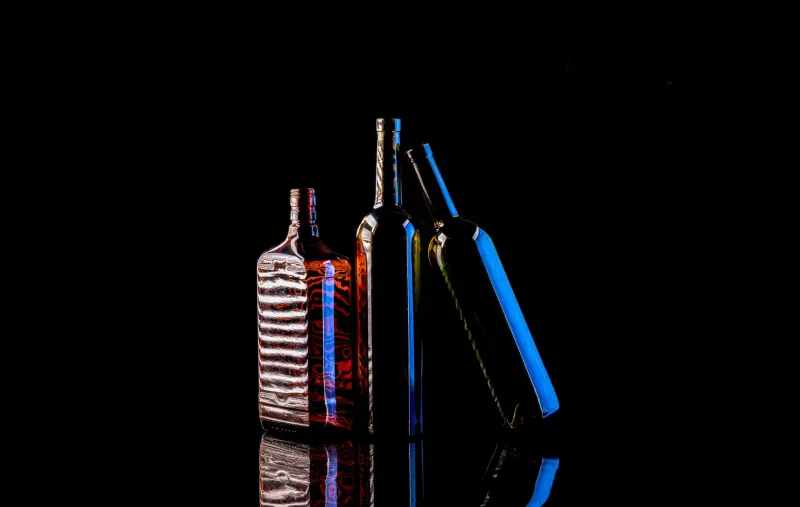
Neither Empty Nor Full: The Opened Bottle as Cinema's Most Eloquent Symbol of Unresolved Lives

Neither Empty Nor Full: The Opened Bottle as Cinema's Most Eloquent Symbol of Unresolved Lives

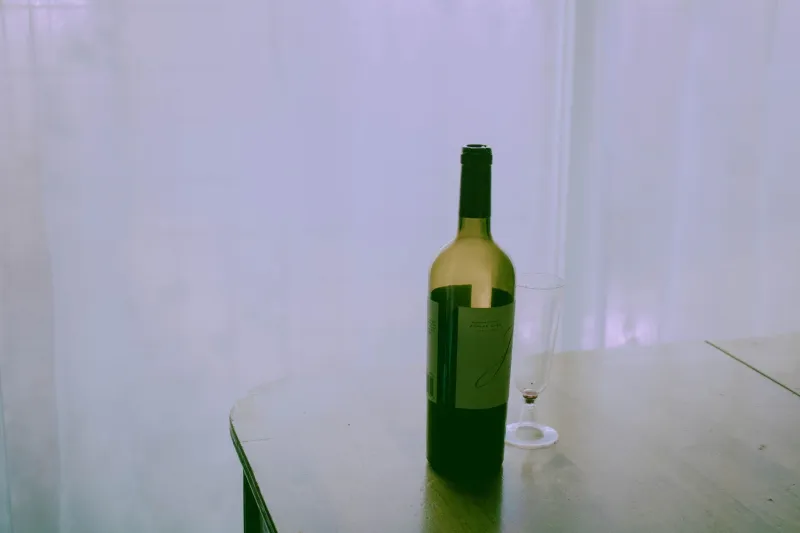
Contemporary filmmakers have quietly elevated the half-consumed wine bottle into one of the screen's most resonant visual metaphors, using its transitional state to signal stories that refuse the comfort of closure. From slow-cinema auteurs to mainstream American independents, the opened-but-unfinished bottle has become shorthand for lives suspended between what was and what remains uncertain. This examination traces how wine's inherent incompleteness mirrors the narrative ambiguity that sophist

Rooted in Place: How the Land a Director Calls Home Shapes Every Frame They Shoot

Rooted in Place: How the Land a Director Calls Home Shapes Every Frame They Shoot

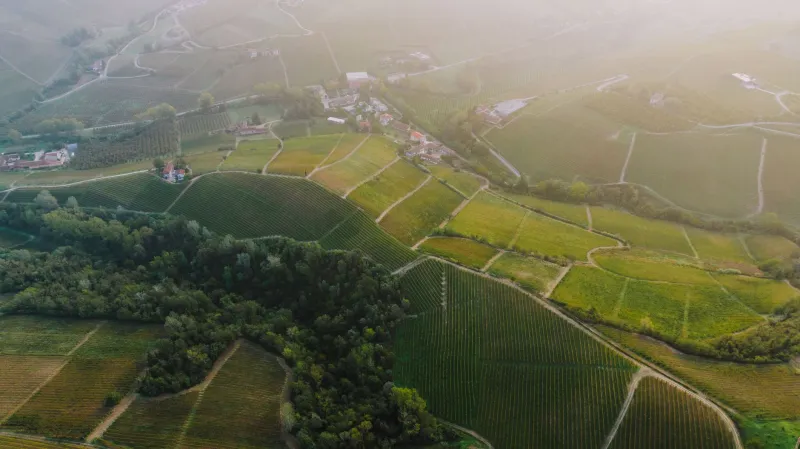
Just as a vineyard's soil composition quietly dictates the character of every bottle it yields, a filmmaker's native landscape leaves an indelible mark on the way they frame the world. From the humid plains of Taiwan to the industrial valleys of Belgium to the sun-scorched plazas of La Mancha, geography is not merely a backdrop—it is a formative intelligence. This is the terroir of cinema.

Appellation of Origin: How Wine's Strictest Laws Quietly Wrote the Grammar of European Cinema

Appellation of Origin: How Wine's Strictest Laws Quietly Wrote the Grammar of European Cinema

The same regulatory frameworks that govern how Burgundy produces its Pinot Noir and how Rioja ages its Tempranillo have left an indelible mark on the films made within those landscapes. Examining directors from France, Italy, and Spain reveals that cinematic style—its pace, its restraint, its visual vocabulary—may carry the fingerprint of terroir as surely as any grand cru. Geography, it turns out, is not merely backdrop; it is authorship.

When Reputation Curdles: The Unpredictable Aging of Cinema's Most Celebrated Works

When Reputation Curdles: The Unpredictable Aging of Cinema's Most Celebrated Works

Not every acclaimed film survives the passage of time with its luster intact, just as not every celebrated vintage fulfills the promise of its early reviews. Examining the strange phenomenon of critical darlings that fade and overlooked pictures that deepen, this piece asks what separates genuinely enduring cinema from the merely fashionable.

What Time Does to a Masterpiece: The Diverging Fates of Great Films and Great Wines

What Time Does to a Masterpiece: The Diverging Fates of Great Films and Great Wines

A fine Burgundy deepens with each passing decade, its tannins softening into something approaching transcendence. Yet a cinematic masterpiece from the same era may grow either more luminous or more opaque depending on forces entirely outside the winemaker's—or director's—control. This is the vintage problem: the unsettling truth that time treats art and craft by entirely different rules.

Opened and Unchanging: On Why Cinema Outlasts the Bottle

Opened and Unchanging: On Why Cinema Outlasts the Bottle

A great wine, once uncorked, begins its slow surrender to time. A great film, by contrast, may only deepen with each successive viewing. This philosophical inquiry examines the paradox of preservation across two art forms that share an obsession with aging—and asks what it truly means for a work to endure.

Trained to See: What a Sommelier's Discipline Reveals About the Art of Watching Film

Trained to See: What a Sommelier's Discipline Reveals About the Art of Watching Film

Wine professionals spend years cultivating a sensory vocabulary that most people never develop—and that discipline, it turns out, fundamentally alters how they experience cinema. From reading color grading like a vintage to parsing narrative restraint the way they parse tannin structure, sommeliers and winemakers bring a distinctly refined lens to the silver screen.

After the Last Glass: How Directors Turn the Morning After Into Cinema's Most Honest Reckoning

After the Last Glass: How Directors Turn the Morning After Into Cinema's Most Honest Reckoning

The hangover, in cinema as in life, is where wine's grand promises meet their most unforgiving audit. A growing body of acclaimed filmmaking deploys the aesthetics of the morning after—distorted light, oppressive sound, desaturated palettes—to interrogate not merely excess, but the very human impulse to reach for transcendence and face its consequences. Mondovino Film examines how these cinematic techniques transform a physical state into a profound moral and emotional landscape.

Terroir as Teacher: What Wine Expertise Can Unlock in World Cinema

Terroir as Teacher: What Wine Expertise Can Unlock in World Cinema

The sensory discipline cultivated at a tasting table—reading structure, detecting regional inflection, situating a wine within its historical moment—turns out to be remarkably useful preparation for engaging with international film. For American audiences willing to bring that same attentiveness to the cinema, the rewards are considerable.

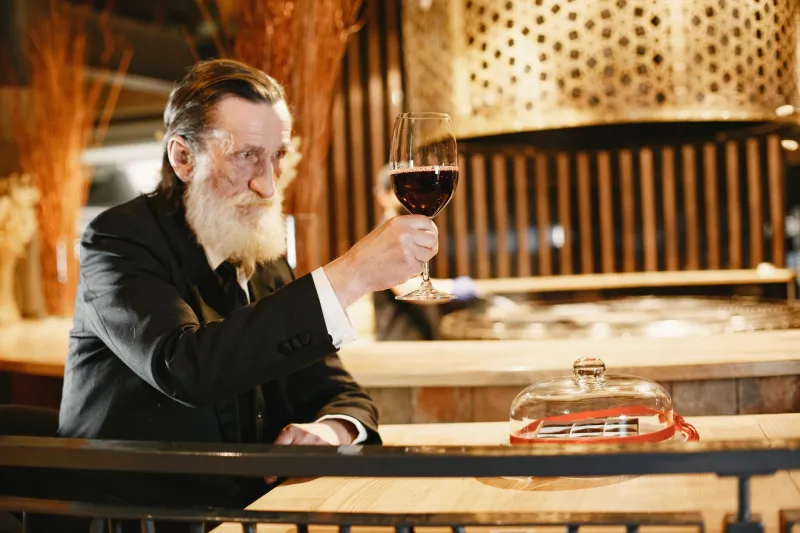
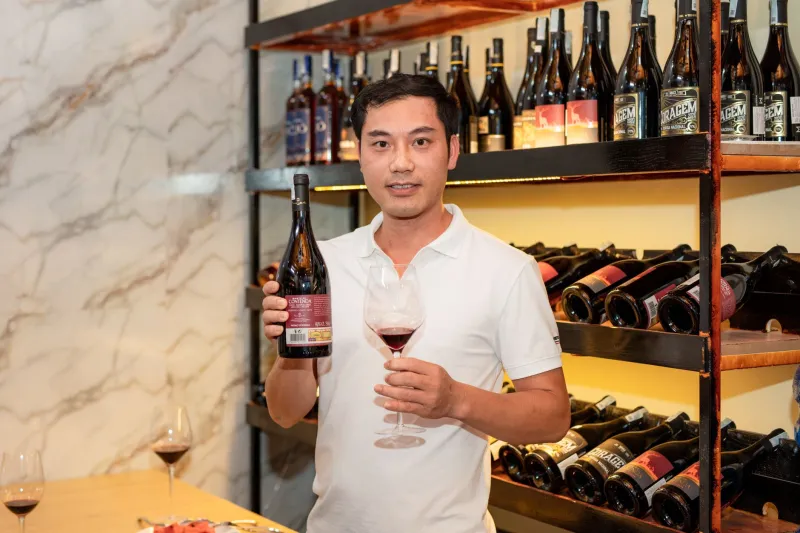
Tasting Notes for the Silver Screen: How Sommeliers Are Redefining Film Criticism

Tasting Notes for the Silver Screen: How Sommeliers Are Redefining Film Criticism

A new generation of wine professionals is bringing the vocabulary of the cellar into the screening room, applying the rigorous sensory discipline of sommellerie to the art of cinematic critique. Their arrival in film criticism is not merely a novelty — it represents a genuinely fresh methodology for understanding how stories are composed, layered, and experienced. Mondovino Film examines this compelling convergence and the figures driving it forward.

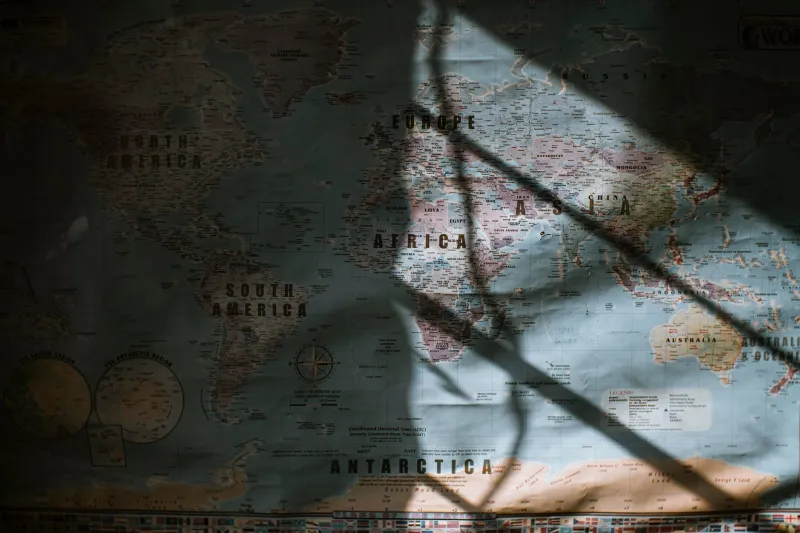
Vines Without Borders: How the World's Wine Cultures Reveal Themselves Through the Films They Make

Vines Without Borders: How the World's Wine Cultures Reveal Themselves Through the Films They Make

Cinema has long been the most intimate portrait a culture can paint of itself, and nowhere is that self-portraiture more revealing than in the films each wine-producing nation makes about its own vines. From the existential weight of French terroir cinema to the sun-drenched defiance of Australian wine narratives, these films carry the DNA of national identity in every frame. For American audiences, learning to read those cinematic codes unlocks a far richer understanding of global wine culture

Soil and Story: How Visionary Directors Transform Wine Regions into Living Characters

Soil and Story: How Visionary Directors Transform Wine Regions into Living Characters

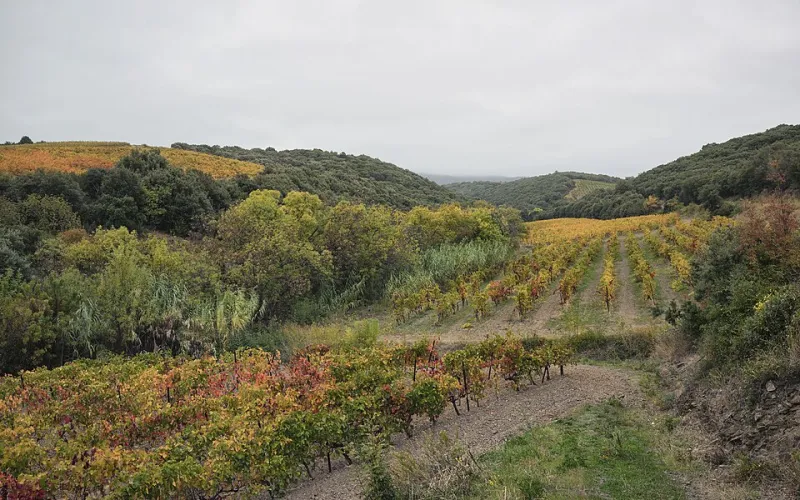
The greatest filmmakers understand that a landscape is never merely scenery. From the sun-scorched slopes of Rioja to the fog-laced valleys of Burgundy, a growing number of auteurs have discovered that wine country carries a narrative weight all its own—one rooted in geology, memory, and the slow accumulation of human struggle.

The Glass as Mirror: What Characters Reveal About Themselves Through the Wine They Choose

The Glass as Mirror: What Characters Reveal About Themselves Through the Wine They Choose

In the grammar of cinema, few props carry the narrative weight of a well-chosen bottle of wine. From the icy precision of James Bond's vintage Champagne selections to the self-conscious California Cabernets poured in prestige dramas, filmmakers have long understood that what a character drinks communicates volumes that dialogue alone cannot convey. This is an examination of how wine functions as a sophisticated instrument of character development across decades of American and international cine